

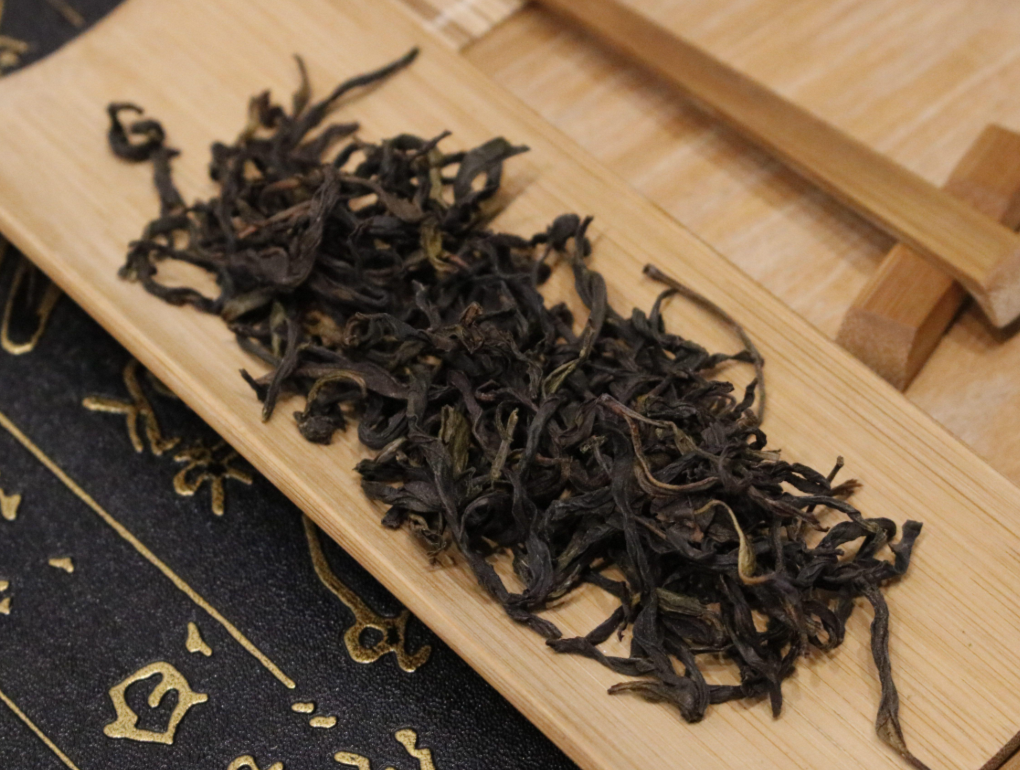
How to describe the aroma of Night-Blooming Jasmine? When brewing it, the fragrance is somewhat like jasmine, night-blooming cereus, night-blooming jasmine, and magnolia. It’s difficult to pinpoint exactly which type of floral scent it is, but it’s a combination of several of these aromas. The floral fragrance is indeed subtle and natural, neither overpowering nor overly pronounced. The taste is something only those who have tasted it can truly appreciate – an indescribable aroma. Currently, Night-Blooming Jasmine commands a relatively high market price. Due to limited planting and harvesting capacity, it has been consistently positioned as a high-end aroma category within Phoenix Dancong tea in recent years.
Introduce
Night-Blooming Jasmine Dancong tea gets its name from the natural night-blooming jasmine fragrance of the finished product. According to tea farmer Wen Xiwei, during the “withering” process at night, the fresh leaves emit a “water fragrance” (the fragrant oily aroma released during the initial fermentation of tea leaves), which rises in waves until the “kill-green” process is completed, hence the name.
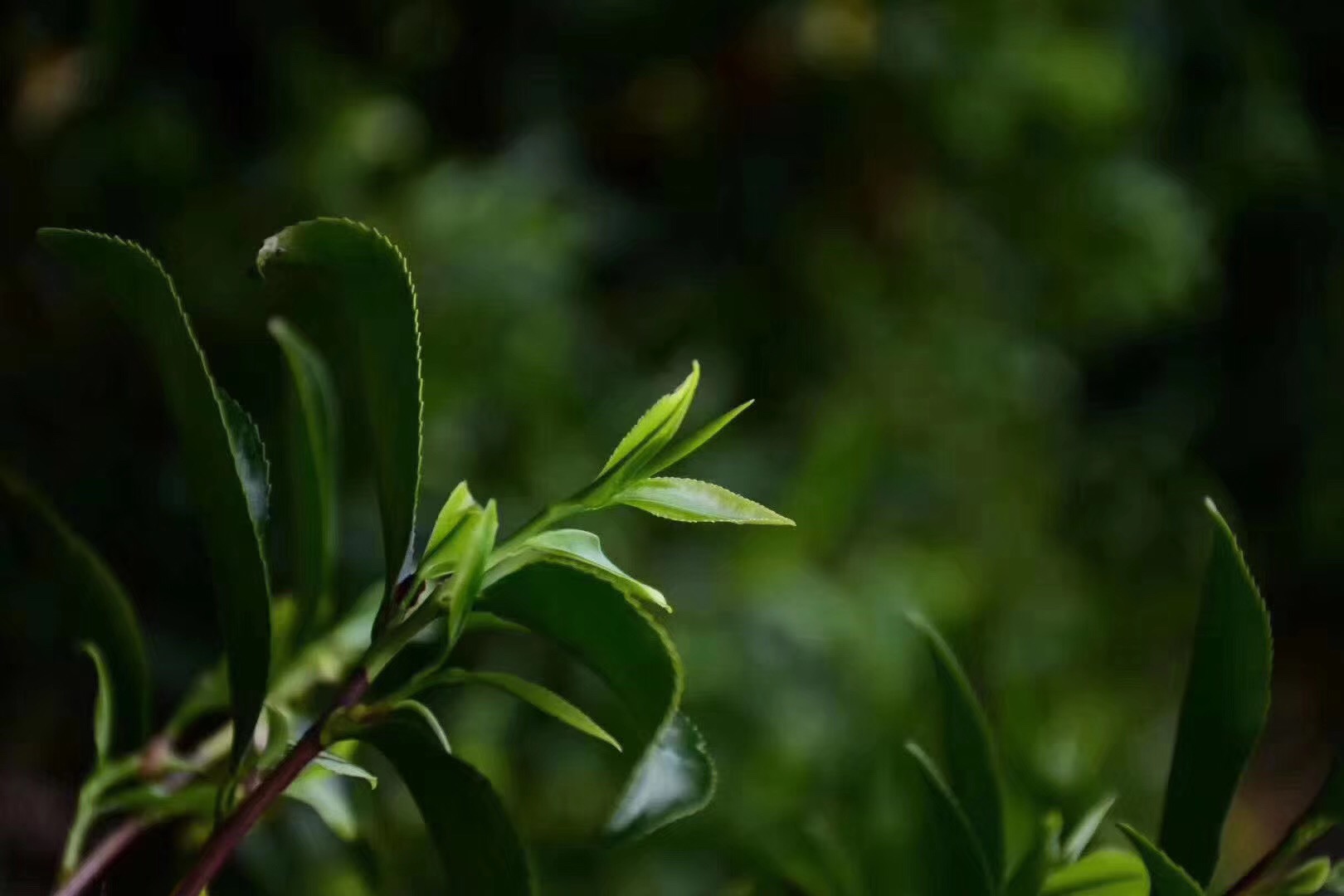
Growing in the tea gardens of Shitoujiao Village in the Wudong Management District at an altitude of approximately 1150 meters, this tea was selected from the natural hybrid offspring of the Phoenix Narcissus variety, the ancestor of the manager, Wen Mingqi. The trees are over 300 years old, 5 meters tall, with a semi-open crown measuring 4.3 x 3 meters. The stem circumference at ground level is 86 centimeters, and the lowest branch is 48 centimeters from the ground. The leaves grow obliquely upwards, with mature leaves measuring 11 centimeters long and 4.1 centimeters wide, and are elliptical in shape. The midrib is prominent, while the lateral veins are less prominent, numbering in 9 pairs. The leaves are fine, shallow, and sharp, with 23 pairs of veins, and the leaf margins are slightly wavy. The spring buds sprout around the Qingming Festival, and the harvesting period is before the Beginning of Summer. The buds are light green and hairless. Spring shoots are 5 cm long and bear 3-4 leaves. New shoots grow in two flushes per year, with a vegetative dormancy period starting in September. Peak flowering occurs in November. Flower quantity is low, resulting in a low fruit set rate.