

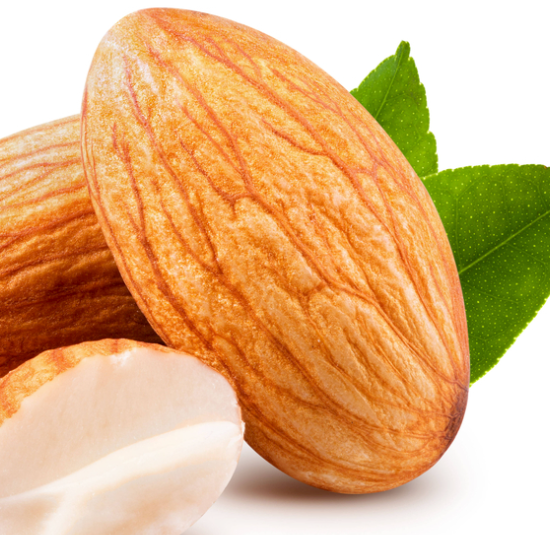
Almond-scented teas, among which the most popular almond-scented teas on the market today are those locally known as “Saw-shaped Tea Leaves” or “Living Saw Knife Tea Leaves.” As the name suggests, its leaves have densely packed, saw-like edges, making them easily identifiable. The leaves are slightly slender, and after brewing, the leaves turn a vibrant green, which is quite appealing. Its aroma is particularly fragrant, reminiscent of almonds, yet exceptionally fresh and clear. I personally quite like this aroma, and I would also recommend it to friends who enjoy Phoenix Dancong tea.
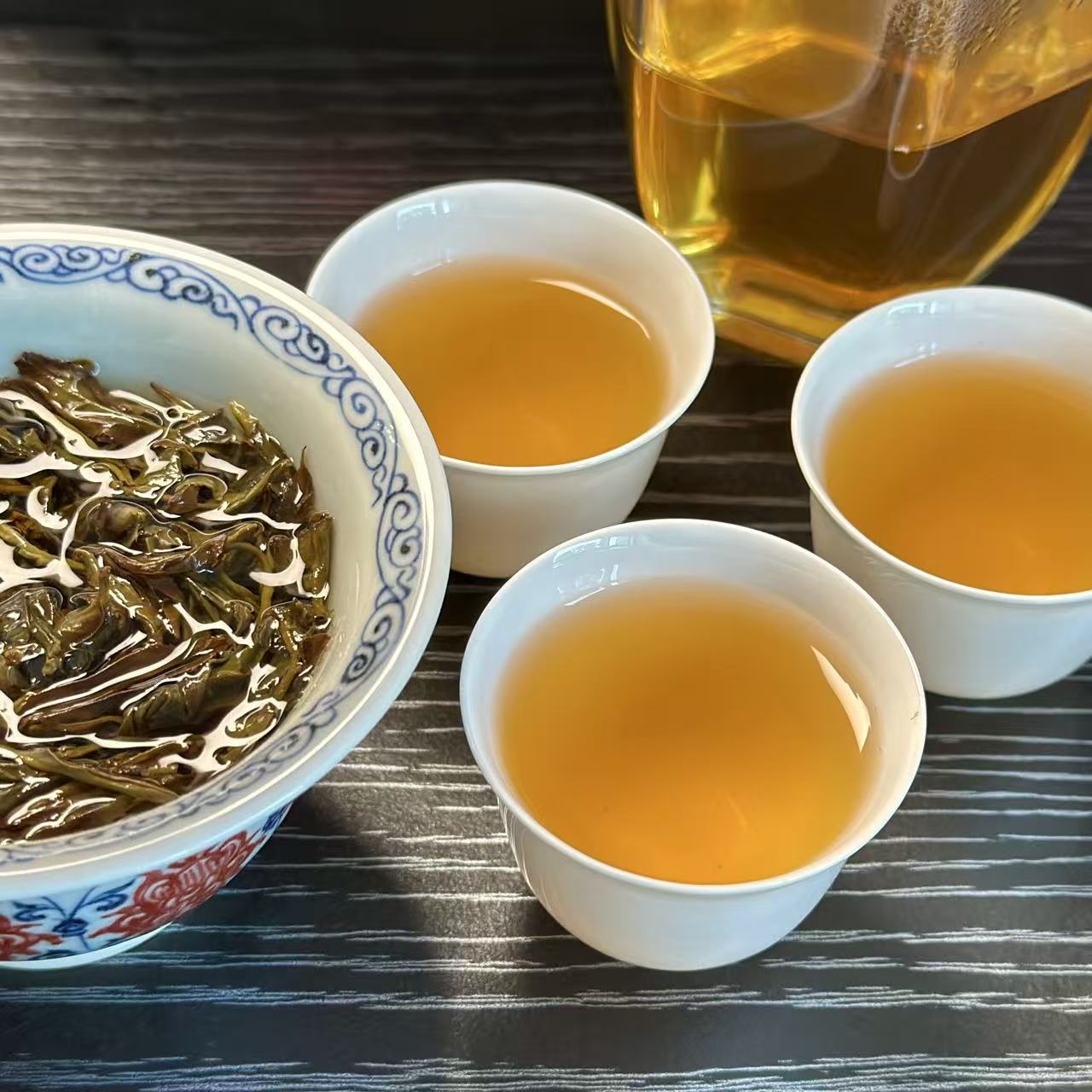
Xingren Xiang type representative
The Lao Xingren Dancong tea(老杏仁单枞)
The Lao Xingren Dancong tea, named for its distinctive aroma and flavor reminiscent of almonds used in traditional Chinese medicine, is strongly expressed throughout the entire tea-making process, from initial processing (kill-green, rolling, and baking) to brewing.
It grows on a southwest-to-northeast slope of Wudong Mountain, in a tea garden north of Yincun Village in the Wudong Management Area , at an altitude of 1100 meters. Managed by Wen Guolong, the trees are over 200 years old, 5 meters tall, with a crown measuring 4.76 x 4.7 meters, a stem circumference of 0.95 meters, and the lowest branch reaching 0.75 meters. It has 8 branches with moderate branching density. The tea leaves are 11.4 cm long and 4 cm wide, and are oblong in shape. Spring tea sprouts after the Spring Equinox and is harvested around Grain Rain (around April 20th). Spring shoots are 8 cm long, bearing 3-4 leaves. The leaves are slightly pore-shaped, green, flat, and soft, with a gradually tapering tip. The main vein is distinct, with 9 pairs of lateral veins and 34 pairs of coarse, shallow, and sharp serrations. New shoots emerge twice a year, with October being the dormant period for vegetative buds. Peak flowering occurs in November. In recent years, flower production has been low, and the fruit set rate is also low.
High yield per plant: 6.8 jin (approximately 3.4 kg) in spring 2006 and 7 jin (approximately 3.5 kg) in spring 2007.
Quality characteristics: Tightly rolled, yellowish-brown leaves, once known as “jade leaves with golden edges”; possesses a natural almond aroma, high and lasting; distinct old-growth character; mellow and refreshing taste with a strong aftertaste and good brewing endurance.
Wu Ye Dan Cong (Ya Shi Xiang Dan Cong)(乌叶/鸭屎香单枞)
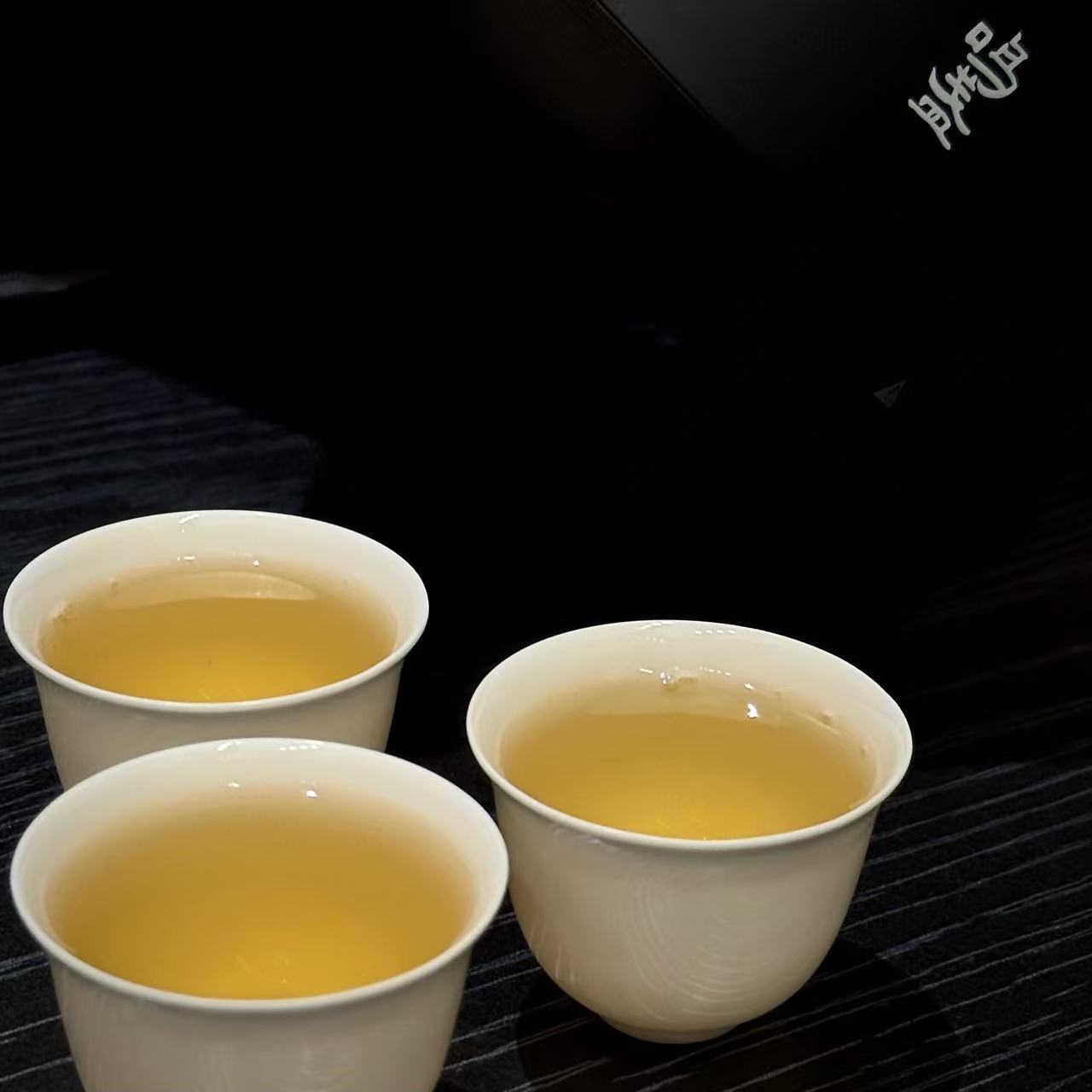
Wu Ye Dan Cong (commonly known as Ya Shi Xiang Dan Cong) is named for the dark green color of its leaves and the dark brown, oily appearance of the finished tea leaves. According to tea farmer Wei Chunse, this famous tea variety is an heirloom, originally introduced from Wudong Mountain and planted in a tea garden with “duck dung soil” (actually yellow soil, but containing chalky minerals). It has dark blue (i.e., dark green) leaves, resembling those of the *Schefflera heptaphylla* (a type of shrub). He says his tea-making skills are average, inferior to his master’s, but the tea he produces is extraordinary. Villagers praise its strong aroma and excellent flavor, and everyone asks him what famous variety it is and what its aroma is. Afraid of being stolen, he falsely claims it’s “duck dung fragrance.” He intended this to stop the indiscriminate breaking of tea branches and theft of tea buds, but some still managed to obtain buds for cuttings and grafting. As a result, the name “duck dung fragrance” spread, and the tea seedlings quickly expanded to Fenghuang Town and the Chaozhou tea region. Grafting was most prevalent in the 1990s.
The current investigation focuses on the second generation of the Wuye Dancong tea managed by Wei Qianhe (Chunse’s eldest son, 40 years old). This tea plantation grows in a tea garden in Houwan Village, Xiapingkengtou Township, Fengxi District, at an altitude of 900 meters. The tree is 48 years old, 2.38 meters tall, with an upright growth habit. The stem circumference at ground level is 0.84 meters. The lowest branch is 5 cm long, and at 18 cm it branches into three main branches, exhibiting moderate branching and bud density. The buds are green and hairless. New shoots grow in four flushes annually. Spring buds sprout before the vernal equinox and can be harvested a few days after Qingming Festival. New shoots are 7.2 cm long, bearing 4-5 leaves. The leaves are 6.8 cm long and 3.2 cm wide, and are elliptical in shape. The leaves are dark green, slightly pore-shaped, and slightly folded inwards. The leaf texture is soft, with a prominent midrib, 8 pairs of lateral veins, and 32 pairs of fine, shallow, and sharp teeth. The leaf tip is blunt, and the leaf margin is slightly wavy. Peak flowering lasts 11 days, but flowering and fruiting have been less frequent in recent years.
Quality characteristics: The tea leaves are tightly rolled, dark brown, and glossy; when brewed, they have a natural almond aroma, rich and long-lasting fragrance, bright orange-yellow liquor, unique and lingering mountain and honey flavor, strong aftertaste, and are resistant to multiple infusions.