

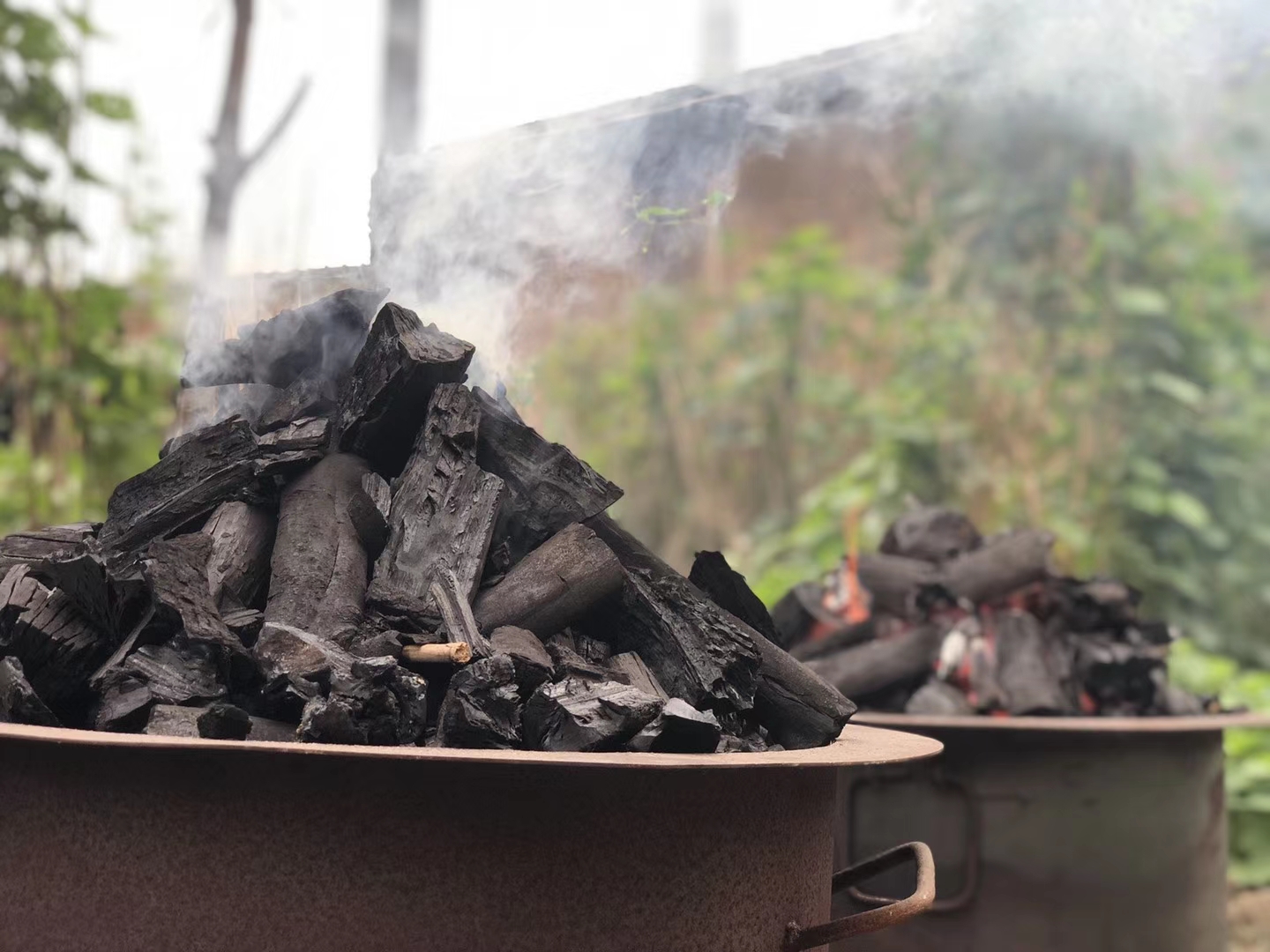
Many tea enthusiasts are puzzled by the ten major aroma types of Fenghuang Dancong, as they are relatively similar and hard to distinguish. What exactly are these ten aroma types? What are the characteristics of these aroma types?
Answer: There are ten major aroma types of Fenghuang Dancong tea, namely: (The above ranking is not in any particular order)
1.芝兰香Zhilan Xiang
2.肉桂Rougui,
3.黄枝香Huangzhi Xiang,
4.蜜兰香Milan Xiang,
5.桂花香Guihua Xiang,
6.玉兰香Yulan Xiang,
7.姜母香Jiangmu Xiang,
8.夜来香Yelai Xiang,
9.杏仁香Xingren Xiang,
10.柚花香Youhua Xiang。
Today, let’s talk about the Zhilan Xiang first. Then, every day, we will introduce the characteristics of the remaining 9 types of aromas for you.
Specific sensory description:
1. Main aroma:
Dominated by a delicate orchid fragrance. However, this orchid fragrance is not overpowering or pungent; it is rather subtle, delicate, and wispy. It requires a calm mind to fully appreciate.
2. Aroma layers:
· Opening notes/first sniff: Sweet floral fragrance, similar to fresh orchids and narcissus, with a fresh plant aroma.
· Middle notes/second sniff: The aroma becomes more refreshing and distant, possibly accompanied by a cool and refreshing sensation similar to minerals, or a faint, very faint grassy fragrance (the essence of chamomile), sometimes even with a slight honey-sweet aroma as a backdrop.
· Base notes/aftertaste: The aroma lasts long, leaving a cool, sweet aftertaste in the mouth and nose, with a comfortable sensation at the throat, and a long-lasting回味.
3. Overall impression:
· Clear yet not lacking: Although delicate, the aroma is full and substantial, not monotonous.
· Elegant yet not flashy: Extremely refined, without any vulgar or sweet腻 feelings.
· Mysterious yet lasting: The aroma is not ostentatious, but meticulous, with strong penetration power, and a long-lasting回味.
· Clean and transparent: It gives a very clean, pure, and free of impurities olfactory experience, often accompanied by the “mountain aroma” and coolness nourished by mountain mist.
Zhilan Xiang type representative
The following three are all representatives of the Zhilan Xiang type. Of course, the descriptions of these three are all characteristics of the highest level. It might be relatively rare to find these three high-level Zilan fragrances in the market.
1.Chicken coop “Kan刊” Dan Cong(鸡笼“刊”)
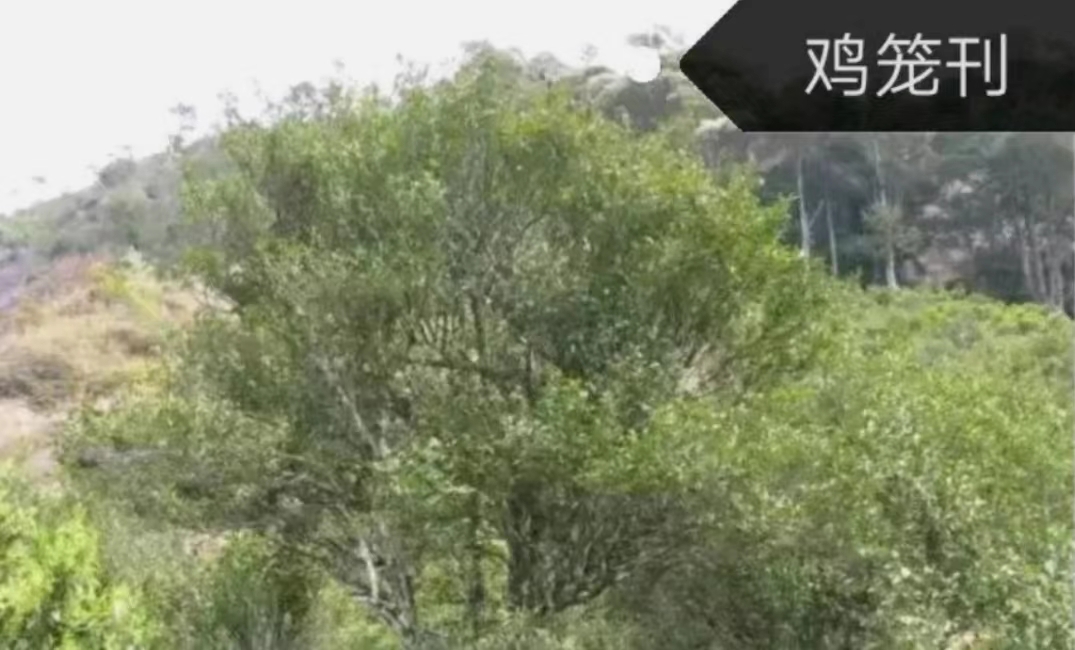
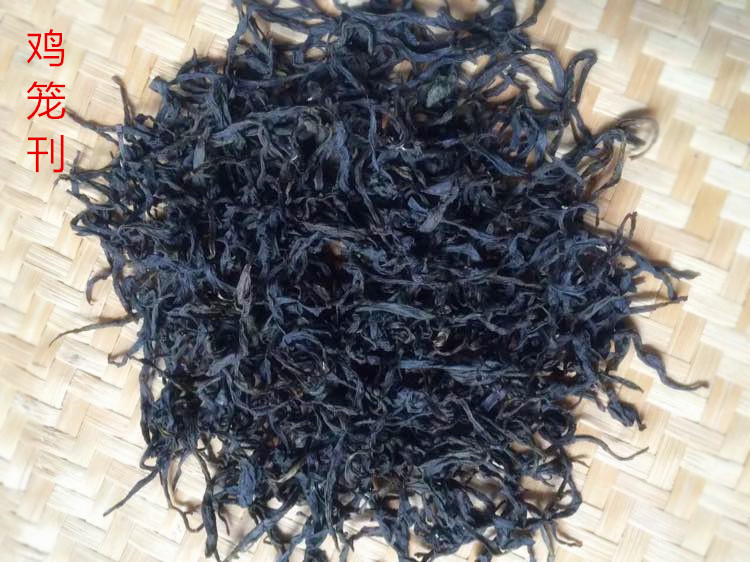
The “Chicken Cage” type tea plant cluster is named so because its tree shape resembles the chicken coop of a farmer’s flock (in common parlance, “刊” means enclosure or confinement).
It grows on a hill facing north and south, in the Zhongping Village of Fengxi Management Area at an altitude of 831 meters. It was cultivated by the ancestors of management farmer Zhang Shimin from the natural hybrid descendants of the Fenghuang Osmanthus group variety. It is said to be over 300 years old and stands at 4.87 meters tall. The open tree shape resembles a chicken coop, with a tree crown measuring 5×2.1 meters, covering an area of 0.03 mu. The ground stem circumference is 1.3 meters. At a distance of 10 centimeters from the ground on the main trunk, 7 main branches sprout, with a relatively sparse branching density. The leaves are arranged obliquely. The mature leaves are 10 centimeters long and 4.1 centimeters wide, with a long elliptical leaf shape, pointed tips that gradually taper and hang down or curve. The leaf surface is slightly convex, flat, with hard and brittle texture, dark green color, distinct main veins, 11 pairs of lateral veins. The leaf teeth are fine, shallow, sharp, with 32 pairs, and the leaf margin is slightly undulating. The green buds sprout after the vernal equinox, and the spring tea picking period is around the Rainy Festival. The buds are green, with a small amount of down. The spring shoots are 8 centimeters long, with 4-5 leaves per shoot, and the internode length is 2 centimeters. Each year, there are 3 growth cycles of new shoots, and the new shoot rest period is in October. The flowering period is in late November, with a small number of flowers, a flower diameter of 3.6 centimeters, 128 stigmas, and the stamens are divided into three branches. The fruit contains 2-3 seeds. The spring tea production in 2007 was 9.3 kilograms.
2. The Eight Immortals (Baxian八仙)
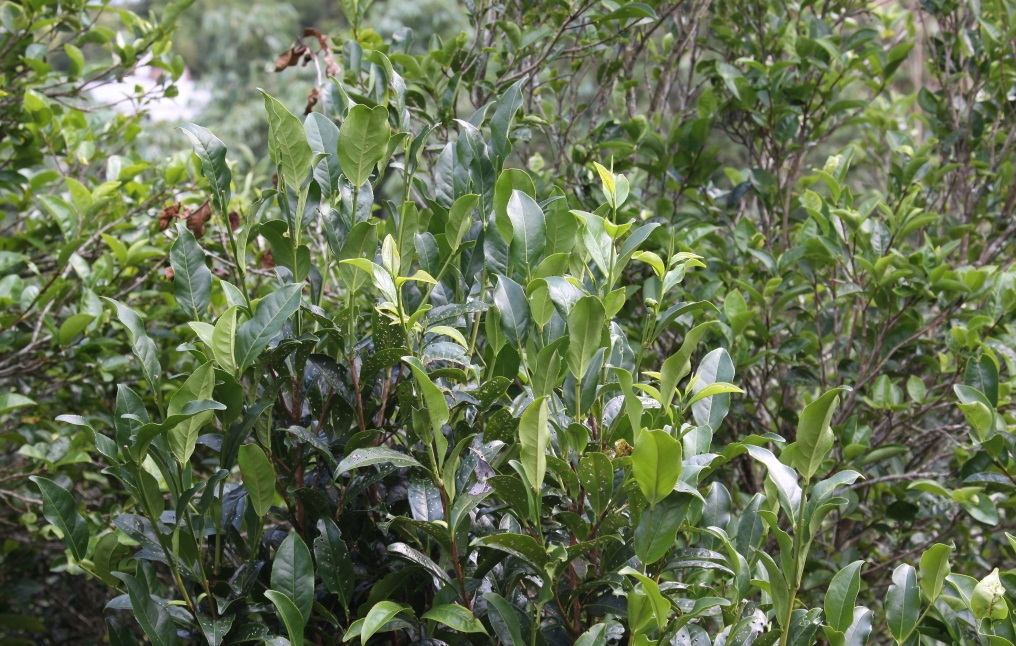
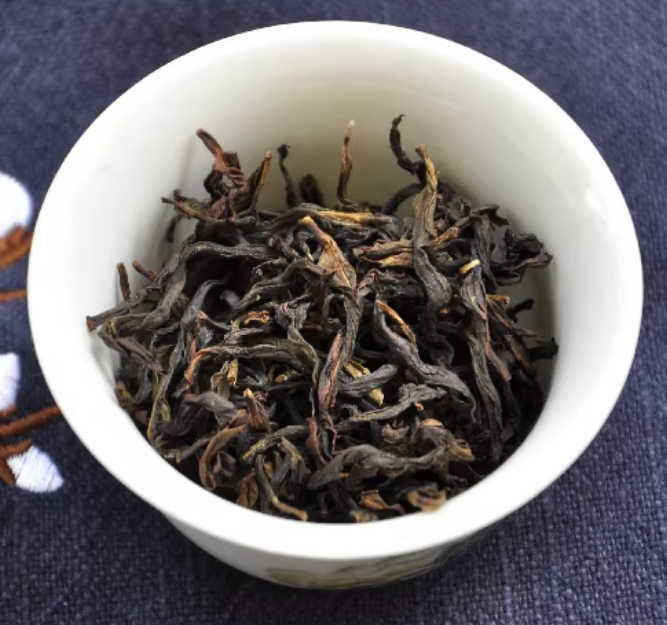
The name “Baxian” originally referred to “Eight Immortals Crossing the Sea”.In 1898, Wen Hong, a tea farmer from Li Zeping(李仔坪村) Village, retrieved the branches of the large oolong single-variety tea from the “去仔寮” Village (renamed Yahou(垭后) Village in 1956), and carried out cuttings. After careful cultivation, 8 tea seedlings survived and were planted in different tea gardens with different geographical conditions. When these 8 tea trees grew up, except for the differences in tree shapes, all maintained the excellent genetic characteristics of the original mother plant, thus being called “去仔寮” variety. In 1958, Director You Binghui and other people from the Phoenix Tea Purchase Station inspected these 8 “去仔寮” varieties. The tea farmer introduced that these 8 tea trees were picked at the same season and at the same time, and the quality produced was exactly the same. After hearing this, Comrade You said with emotion, “Just like the eight immortals crossing the sea, each showing their own unique skills.” Therefore, the name “去仔寮” was changed to “Eight Immortals Crossing the Sea”, and later it was simply called “Eight Immortals Single Variety Tea”.
乌岽老枞八仙 (50克体验装)WuDong Ancient Tree The Eight Immortals Tea (50g trial pack) – mcxtea.com
3. Bamboo Leaf (竹叶)

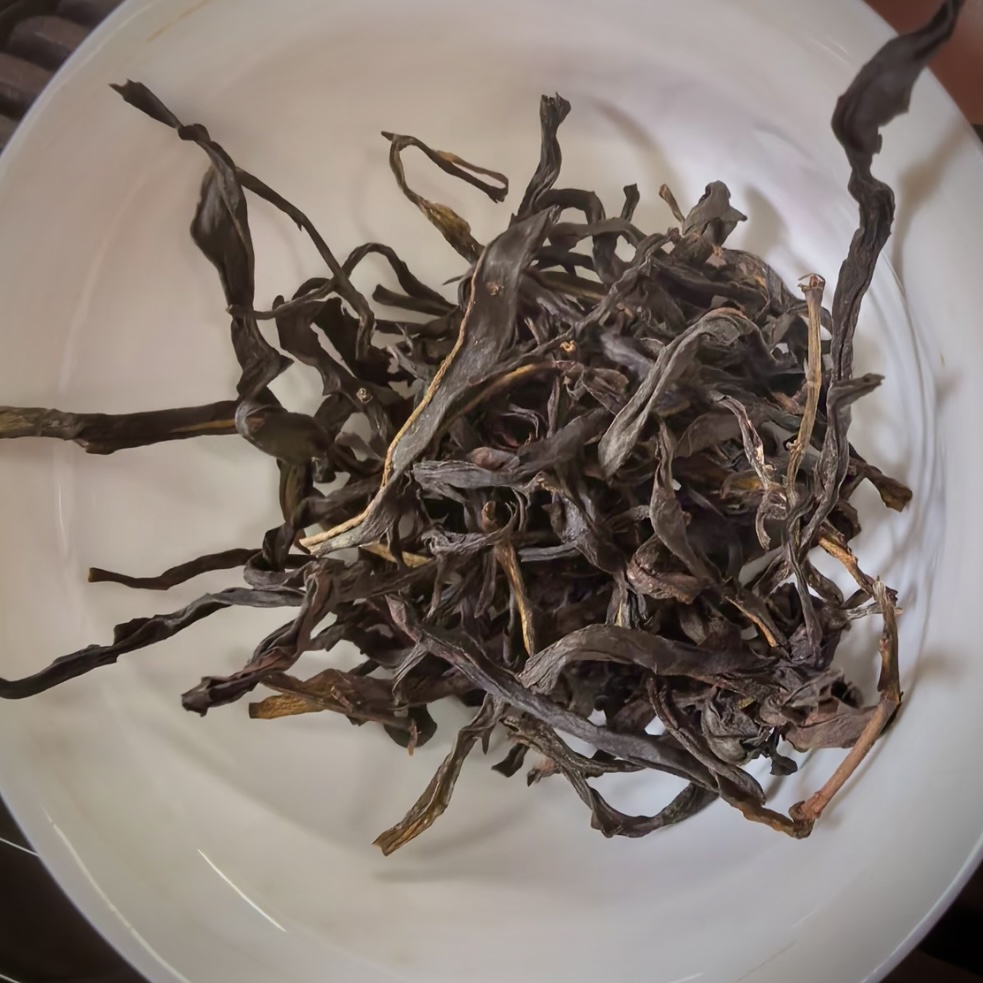

Bamboo Leaf Tea, also known as “King of Zhilan Xiang”. It gets its name because of its narrow and elongated leaf shape, resembling bamboo leaves. Additionally, it is called “King of Zhilan Xiang” due to the strong and long-lasting fragrance of the tea leaves, reminiscent of chrysanthemum and orchid.
The tea garden, located on a hillside facing southwest and northeast, at an altitude of 950 meters in the Dian’an Village of Fengxi District, is managed by villager Huang Guan’an. It is a plant propagated asexually. The tree is over 50 years old, with a height of 3.1 meters, an open tree form, a tree crown measuring 2.65 by 3 meters, a ground stem circumference of 56 centimeters, an average branch density, and the lowest branch being 17 centimeters. The leaves are oblique in arrangement, with a length of 11.6 centimeters, the longest being 17 centimeters. This is the most typical tea leaf in the Fengxi tea area, the narrowest and longest tea leaf. The leaf width is 3 centimeters, belonging to a long lanceolate shape, with gradually pointed leaf tips. The leaf surface has slight pits, the leaf color is green, the leaf body is slightly inwardly folded, the leaf quality is medium, the main vein is distinct, and there are 12 pairs of lateral veins. The leaf teeth are fine, shallow, and blunt, with 42 pairs. This is the largest number of leaf teeth among the Phoenix single-variety plant series. The leaf margin is slightly wavy. The spring bud emergence period is before the vernal equinox, and the picking period is about 10 days after the Qingming Festival. The bud density is moderate, the bud color is light green, and there are a few downy hairs. The new shoots grow in two cycles per year, and the nutritional buds enter a dormant period in early October. Due to the short tree age, sufficient nutrition, and strong growth ability, there have been no flowers or fruits for several years.
In the spring of 2007, 4.1 kilograms of tea were produced. Characteristics of the tea: The leaves are tightly rolled, thick and straight like iron nails, light yellowish-brown in color, with a lustrous sheen, possessing a natural orchid flower aroma, high-pitched and long-lasting; the tea soup is orange-yellow and clear; the taste is pure, with a strong aftertaste and long-lasting flavor.
This strain has been mass-propagated through cuttings and is widely cultivated on Wudong Mountain.
乌岽老枞竹叶 (50克体验装)WuDong Ancient Tree bamboo leaf Tea (50g trial pack) – mcxtea.com